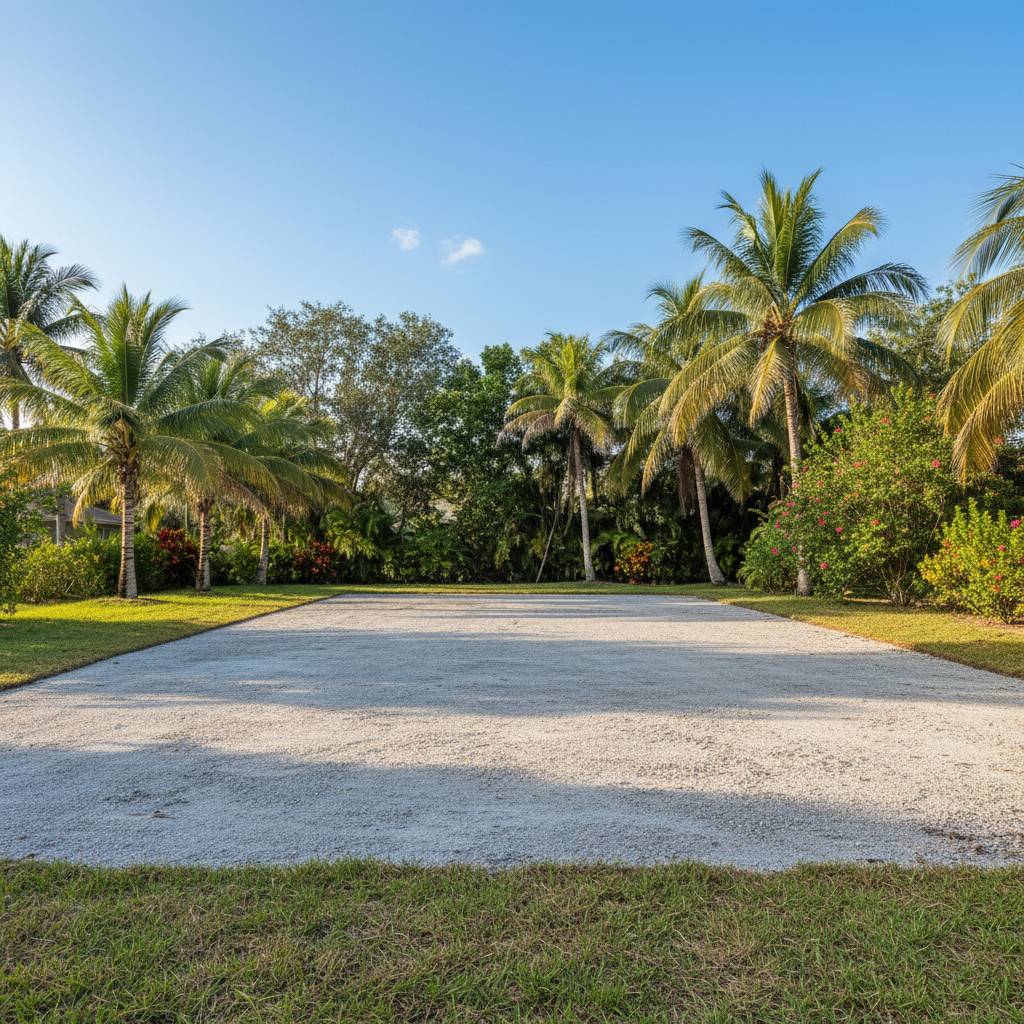
So, you’ve just had a structure knocked down. Maybe it was an old, storm-battered house, a commercial building that just had to go, or just some eyesore you wanted gone for good. The heavy equipment has finally rolled out, the dust has settled, and now you’re left with a nice, clear lot. You might think the job’s done, right? Well, not quite. What happens *after* the demolition is just as important as the demolition itself, especially here in Cape Coral, with our wild weather.
Making Your Cleared Site Last
When I talk about making demolition work last, I’m really talking about keeping your cleared land in good shape. You’ve put money into getting that structure removed, and the last thing you want is new problems popping up later that cost you even more time and cash. The main goal, really, is to stop erosion, keep the site stable, and make sure it’s ready for whatever you plan to build next. Or, you know, just to keep it looking decent if it’s going to sit empty for a bit.
First off, good grading is absolutely crucial. When we wrap up a job at Paradise Demolition, we always make sure the site is graded correctly. This isn’t just about making it look tidy; it’s all about guiding water where it needs to go. Here in Southwest Florida, we get some serious downpours, especially during hurricane season. If your site isn’t graded right, water can just sit there, leading to soft spots, erosion, and it could even undermine nearby foundations if it’s not draining away from them. We often suggest a slight slope that directs water away from any future building, or towards a specific drainage spot.
Another thing I always tell people to consider is some kind of ground cover. This doesn’t have to be fancy landscaping, by the way. Even just scattering some grass seed or planting a temporary cover crop can make a huge difference. The roots help hold the soil in place, stopping it from washing away or blowing around. This is super important in our sandy soil areas, which can be easily moved by wind and water.
Regular Upkeep: What You Should Be Doing
Once the initial work is finished, your maintenance routine doesn’t need to be complicated, but it does need to be consistent. Think of it like taking care of your yard, just on a bigger scale.
- Check for Erosion: After every big rain, take a walk around your property. Look for gullies, washouts, or places where the soil has clearly shifted. If you spot small issues, deal with them fast by filling them in with compacted soil. Don't let them get bigger, because they will.
- Monitor Drainage: Is water pooling where it shouldn't? Are your drainage paths clear? Sometimes debris, leaves, or even just heavy silt can block swales or culverts. Keep them clear so water can move freely.
- Control Vegetation: If you’ve got a vacant lot, weeds are going to sprout up. They don't just look bad; some can have deep root systems that mess with the soil stability or even become a fire hazard during dry spells. Keep them mowed or cleared.
- Inspect for Settling: Over time, especially after heavy rain, you might notice some areas settling a bit. This is normal to a point, but really significant depressions could point to a bigger problem. Small dips? You can fill and compact those.
These checks don't take long at all, but they can save you a ton of headaches and money down the road.
Warning Signs You Really Shouldn't Ignore
You know your property better than anyone. If something just doesn't look or feel right, it probably isn't. Here are some red flags that tell me a site needs immediate attention:
- Significant Cracks or Sinking: If you see big cracks forming in the ground, or spots that have visibly sunk several inches, that’s a serious issue. This could mean unstable soil or something else going on underneath.
- Persistent Water Pooling: If water is consistently pooling in the same spot for days after a rain, even when other areas have dried out, your drainage isn't doing its job. This can create mosquito breeding grounds and soft, unstable soil.
- Exposed Utilities: During demolition, we cap off and remove utilities, but sometimes things can shift around. If you see any pipes or wires that weren’t visible before, especially if they look damaged, that's a safety hazard.
- Unusual Odors: This is pretty rare, but if you smell something foul or chemical, it could mean something was buried wrong or there's a leak from an old septic system or utility line.
- Sudden Changes in Ground Level: Beyond normal settling, if a large section of your lot suddenly seems higher or lower, that's a definite sign of a problem.
When to Call in the Pros
Look, you don't need to be an expert in soil mechanics — that's my job, honestly. But knowing when to call one is super important. If you see any of those serious warning signs I just mentioned, please don't try to fix it yourself. You could make things worse or, more importantly, put yourself at risk.
You should absolutely call a professional if:
- You notice significant settlement or large cracks.
- There's persistent water pooling that you can't fix with just some simple regrading.
- You find exposed or damaged utility lines.
- You're planning to build on the site and want a professional opinion on how ready and stable it is.
- You're just not sure what you're looking at, and you want to feel confident about it.
Sometimes, what seems like a small problem can actually be a symptom of a much larger underlying issue that needs specialized equipment or knowledge to fix. That’s where folks like us come in. We can check out the situation, figure out the root cause, and recommend the right solution, whether it’s more grading, compaction, or even soil stabilization techniques. Don't hesitate to reach out to Paradise Demolition if you’ve got concerns about your cleared property. It’s always better to be safe than sorry, especially when it comes to the foundation of your future projects.