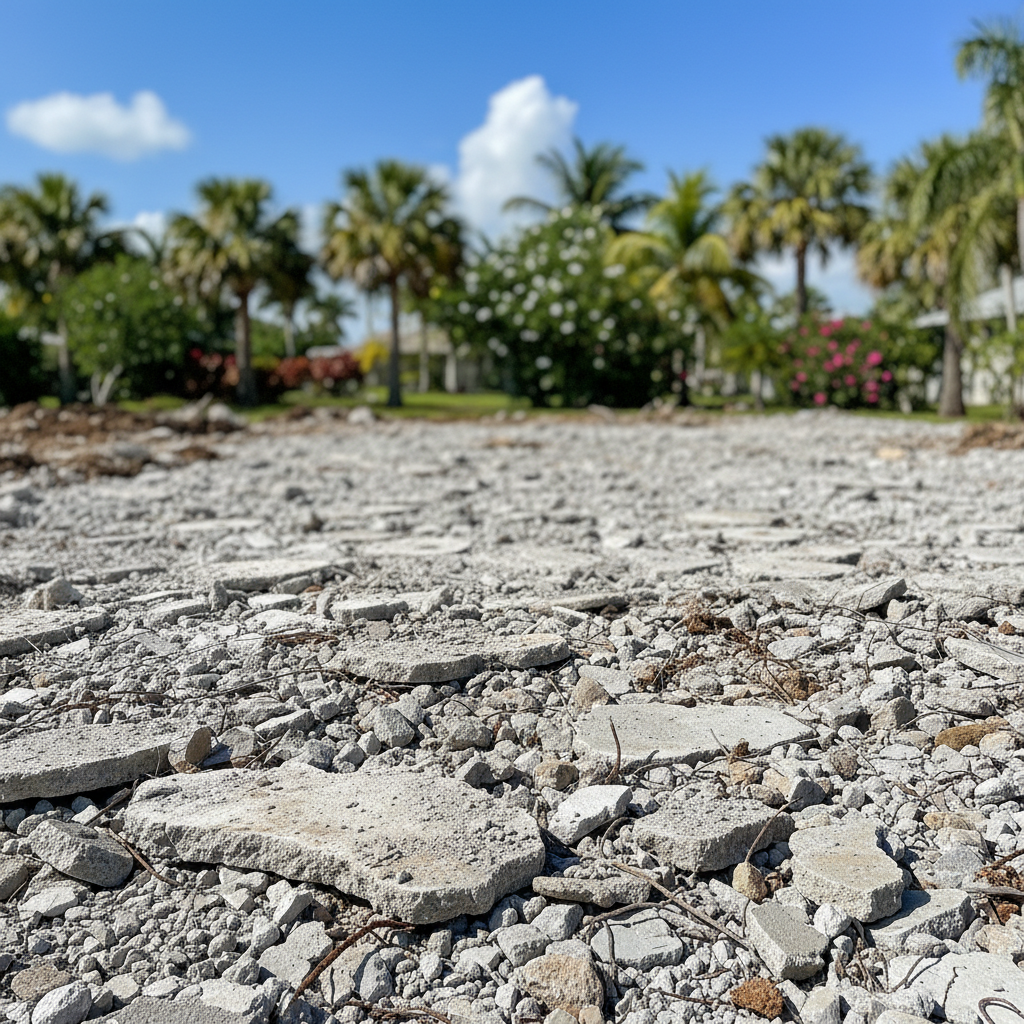
Got old concrete that's seen better days? Maybe it's a cracked patio, an unused shed slab, or a driveway that's just too far gone. Here in Cape Coral, I get a lot of calls about concrete demolition, and folks usually have the same set of questions. So, let's dive into what you really need to know.
Do I need a permit to demolish concrete?
This is a big one, and it's super important to get right. For most residential concrete removal projects, like taking out a driveway, a sidewalk, or a small patio, you typically don't need a specific demolition permit from the City of Cape Coral. They usually classify these as minor improvements or maintenance. However, if that concrete is part of a larger structure, like a foundation for a house or a load-bearing wall, then absolutely, you'll need a permit. And if you're doing any work near seawalls or canals, that's a whole different ballgame with the city and sometimes even the state. My advice? Always, always, always check with the Cape Coral Building Department for your specific project. It's better to make a quick call than to get hit with fines later, right?
What's the process for concrete demolition?
It's not just about smashing things with a sledgehammer, though sometimes that's part of it! First, we assess the site. We look at the type of concrete, its thickness, and what's around it. Are there utilities nearby? Sprinkler lines? Buried cables? We mark those out. Then, depending on the size and location, we use a combination of tools: jackhammers, concrete saws, excavators with hydraulic breakers, or even just good old-fashioned sledgehammers for smaller jobs. Our goal is to break the concrete into manageable pieces. After that, it's all about removal and hauling. We load up the debris and make sure it goes to the proper recycling or disposal facility. We try to recycle as much as we can, especially with all the construction waste generated down here.
How long does concrete demolition take?
This really varies, you know? A small patio might only take a few hours. A full driveway, especially a long one or one that's extra thick, could take a day or two. If we're talking about a large foundation or a pool deck, that could be several days. Factors like the amount of concrete, its accessibility, and the equipment we can use all play a role. For instance, working in a tight backyard with no easy access for machinery means more manual labor, which takes longer. We always give you a clear timeline upfront so you know what to expect.
What happens to the old concrete? Can it be recycled?
Yes, absolutely! Most of the concrete we demolish can be recycled. We haul it off to facilities that crush it down into aggregate. This crushed concrete then gets used as base material for new roads, foundations, or even as fill. It's a great way to reduce waste and reuse materials, which is something we're pretty keen on at Paradise Demolition. It also helps keep disposal costs down, which is a win-win for everyone.
Will my yard get damaged during the process?
We do our best to minimize any impact on your property. That said, concrete demolition is a heavy-duty job. We're often using heavy equipment, and there's going to be some dust and debris. We lay down protective sheeting where possible, and we're careful with our machinery. If we're driving an excavator across your lawn, there's a good chance it'll leave tracks, especially with our sandy soil here in Cape Coral. We'll always discuss potential impacts with you beforehand and take precautions. Our goal isn't to leave your yard a mess; it's to get the concrete out cleanly and safely.
How much does concrete demolition cost in Cape Coral?
Alright, the million-dollar question! There's no one-size-fits-all answer here because every job is different. The cost depends on several things: the total square footage or cubic yards of concrete, its thickness, whether it's reinforced with rebar, how accessible the area is, and the type of equipment needed. Hauling and disposal fees are also a significant part of the cost. The best way to get an accurate price is to have us come out and give you a free, no-obligation estimate. We'll look at your specific project, discuss the details, and give you a clear breakdown.
Do I need to do anything to prepare the site?
For your safety and ours, there are a few things that really help. First, clear the area around the concrete. Move any outdoor furniture, planters, grills, or anything else you don't want getting dusty or damaged. If there are plants or landscaping right next to the concrete, let us know if you want them protected or if they're okay to be removed. Most importantly, make sure we know about any underground utilities, like sprinkler heads or low-voltage lighting lines, that might be near the work zone. We'll call 811 to get public utilities marked, but private lines are your responsibility to point out.