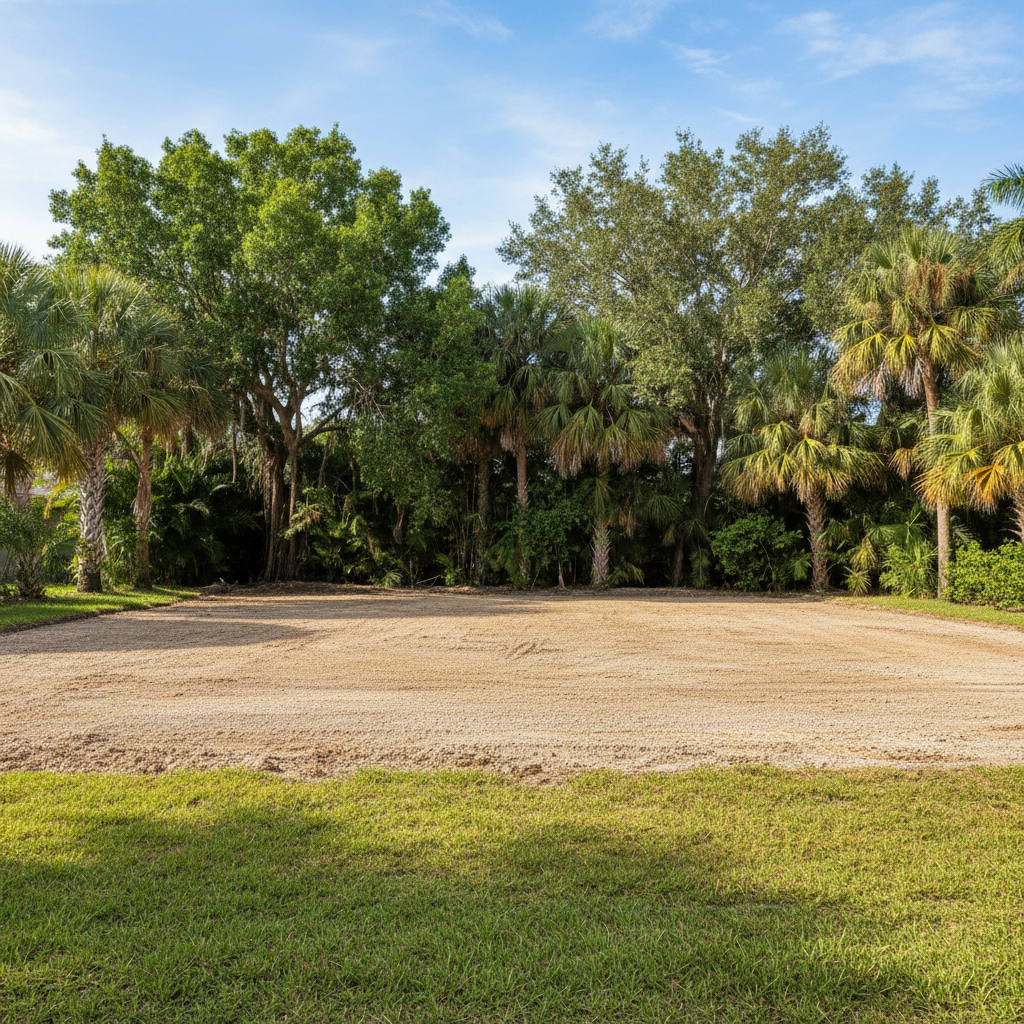
Alright, let's talk about commercial demolition. You've had a building taken down, maybe cleared a lot for new construction, or just removed an old structure that was an eyesore. Great. But the job ain't truly done when the last piece of debris is hauled away. What you're left with is a site that needs a little looking after, especially here in Southwest Florida.
People often think once the structure's gone, that's it. You're just waiting for the next phase. But neglecting a recently demolished site, even if it's just a cleared lot, can lead to bigger headaches and expenses down the road. We see it all the time, honestly.
Extending the Life of Your Demolition Work
When I say 'life of your demolition work,' I'm talking about keeping that site stable, safe, and ready for whatever's next. The biggest thing you can do is make sure the initial demolition was done right. That means proper site clearing, grading, and debris removal. If you've got a good, level pad that's been compacted correctly, you're already ahead of the game. Here in Cape Coral, with our sandy soil and high water table, proper compaction after a demo is crucial. You don't want future settlement issues, do you?
For sites where you've removed foundations, getting all the concrete and rebar out is key. Any buried junk can cause problems later, like sinkholes or uneven settling, especially with our heavy rainy season. We at Paradise Demolition make sure we get everything out, because a clean site is a stable site.
What Regular Maintenance Looks Like for a Cleared Site
It's not exactly rocket science, but it does require attention. Think of it like this:
- Erosion Control: This is huge, especially during hurricane season. If you've got exposed soil, heavy rains can wash it away, creating trenches or undermining adjacent properties. You might need temporary silt fences, hay bales, or even hydroseeding if the site's going to sit for a while.
- Drainage Management: Make sure water can flow off the site properly. If you've got low spots where water collects, you're asking for mosquito problems, soil saturation, and potential erosion once it finally drains.
- Debris & Weed Control: Keep an eye out for new trash dumping – it happens. And weeds? They'll sprout up fast in our climate. Keeping them down not only makes the site look better but also prevents them from taking root and potentially disturbing the soil or attracting pests.
- Security Checks: If it's a fenced site, check the fencing regularly. Vandalism or unauthorized entry can be a liability.
These aren't daily tasks, but a monthly or bi-monthly check-in, especially after a big storm, goes a long way.
Warning Signs You've Got a Problem
You don't need to be an expert to spot trouble. Just keep your eyes open:
- Uneven Settling: Are there new dips or depressions in the ground where there weren't any before? This could mean buried debris is decomposing or the soil wasn't compacted correctly.
- Standing Water: After a rain, does water sit for days? That's a drainage issue and can lead to soft spots.
- Exposed Debris: If you start seeing rebar, concrete chunks, or other construction materials poking out of the ground, that's a sign something wasn't fully removed.
- Erosion Channels: Little gullies or washouts appearing, especially on slopes, tell you water's not being managed right.
- Cracks in Adjacent Structures: If you're next to an existing building, and you start seeing new cracks in its foundation or walls, it could be related to soil movement on your demo site.
When to Call a Professional
Look, a lot of the regular maintenance you can handle yourself or with a general laborer. But there are times you absolutely need to call in a pro. Don't try to DIY these:
- Significant Settlement: If you're seeing large areas of ground sinking, or sudden, deep depressions, get a geotechnical engineer out there. This isn't just a cosmetic issue; it can impact future construction.
- Major Erosion: If you've got large washouts or significant soil loss that's impacting property lines or adjacent structures, you need someone who understands site grading and drainage.
- Suspected Buried Hazards: If you uncover something unexpected, like old tanks, pipes, or anything that looks like hazardous material, stop work immediately and call the right specialists.
- Permit Issues: Sometimes, the city or county (like Lee County here) will have specific requirements for how a cleared site needs to be maintained, especially if it's sitting vacant for a while. If you're getting notices, call someone who knows the local codes.
- Planning for New Construction: Before you break ground on anything new, you'll want a professional to assess the site's readiness. They can confirm compaction, soil stability, and make sure there are no lingering issues from the previous demolition.
Ignoring these things won't make them go away. It'll just make them more expensive to fix later. A little proactive maintenance and knowing when to call in the cavalry can save you a ton of grief and money in the long run.